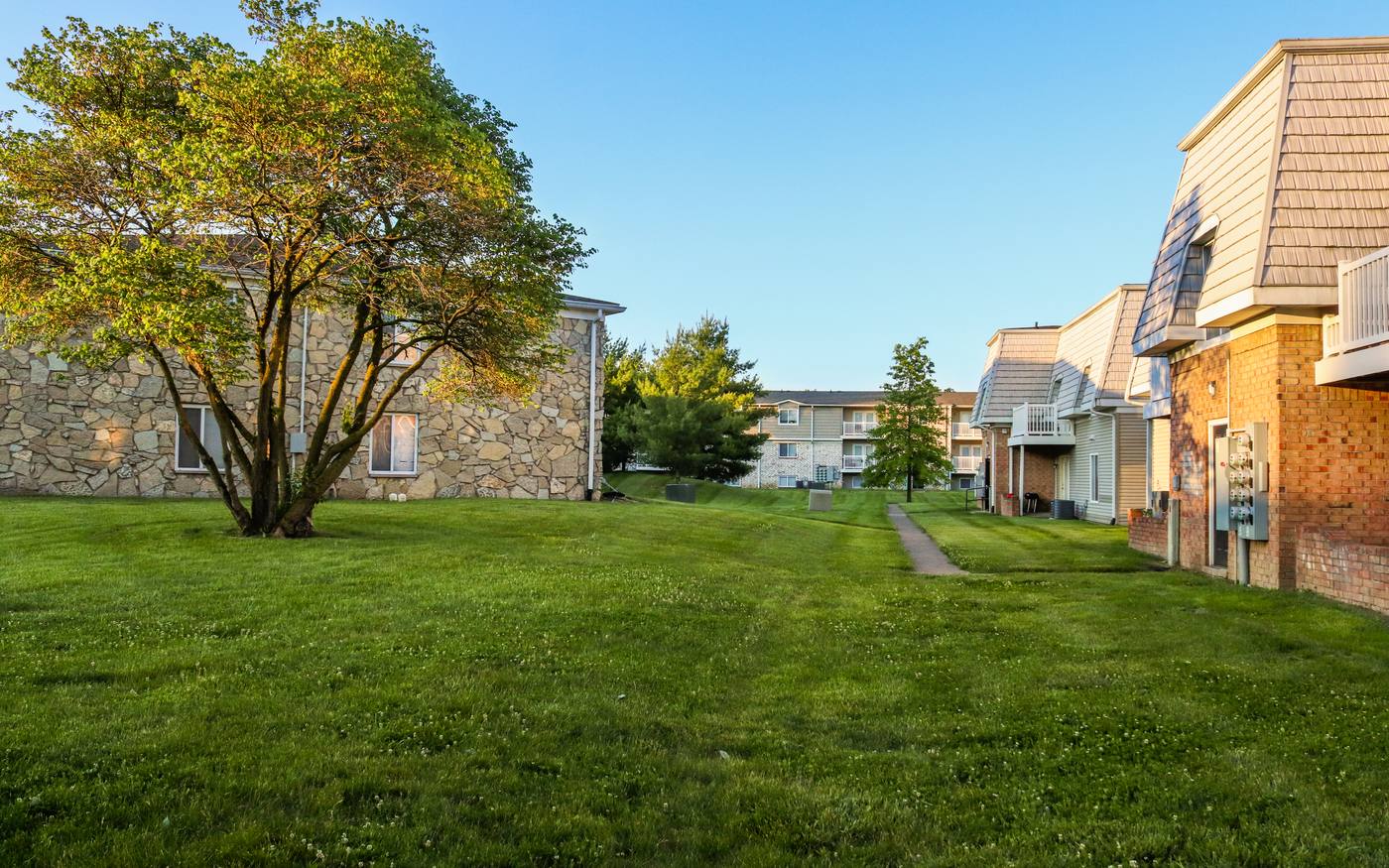

The client was a partnership of two families who had just finished building a boutique condominium and townhouse project in the Okanagan. Most of the units were pre-sold and the building was close to occupancy. The problem was not the project. It was the repayment schedule on the loan that had built it.
Construction loans are written for the period when a building is going up. This one was coming due, and the construction lender wanted its money back faster than the remaining units could realistically be sold. That is a particular kind of pressure, and it has an obvious release valve: drop the prices until the units move.
Selling that way is expensive in a way that does not show up as an interest cost. A unit sold under time pressure is sold below what it is worth, and the loss is permanent. Worse, in a small project the discounted sale becomes the comparable for everything still unsold, so the damage spreads to the units behind it. A developer in that position can end up paying for the lender's timetable several times over.
The facility that fits is an inventory loan: a facility secured against the units that have not sold, paid down as each one closes, on a term that reflects how long selling actually takes. Two things made that hard to place here. Upscale strata units in this price band are a narrow market, and a good number of the private lenders who do inventory lending have no appetite for them. And two of the units were being bought by the developers' own principals, so those sales were not at arm's length and no lender could take the contract prices at face value. More than one looked at that combination and passed.
We ran the request across our lender network rather than the handful of names who do this routinely, and we were straightforward with every one of them about the non-arm's-length sales from the outset. A lender who finds that out halfway through diligence walks away. A lender who is told at the start can price it.
Greater flexibility: a non-bank lender advanced $5,070,000, taking first mortgages across the unsold units at roughly 65% of appraised value. It retired the construction loan and funded the balance the principals needed to complete their own purchases. Each unit discharges as it closes, with the net proceeds paying down the facility, so the debt comes down in step with the sales instead of against someone else's calendar.
The lender's appraiser set its own values on the two units being bought internally and came in well below the contract prices, which is exactly what a lender should do on a non-arm's-length sale. Because the loan had been sized against appraised value rather than contract value from the start, it did not change the structure.
It is worth being plain about the pricing. This did not reduce the cost of borrowing. The construction loan was at 10% and the inventory facility came in at 9.99%, which is the same money. The engagement was never going to win on rate, and we would rather say that than present a hundredth of a point as a saving. What the client bought, at the same price, was the ability to sell the remaining units for what they were worth.
If you are finishing a project with units still to close and a construction lender that wants out sooner than the market will deliver, the question is not what the next loan costs. It is how long it gives you. Start with a 15-minute commercial debt review and we will benchmark your pricing, covenants, guarantees, collateral and available leverage against what we are seeing in the market right now.