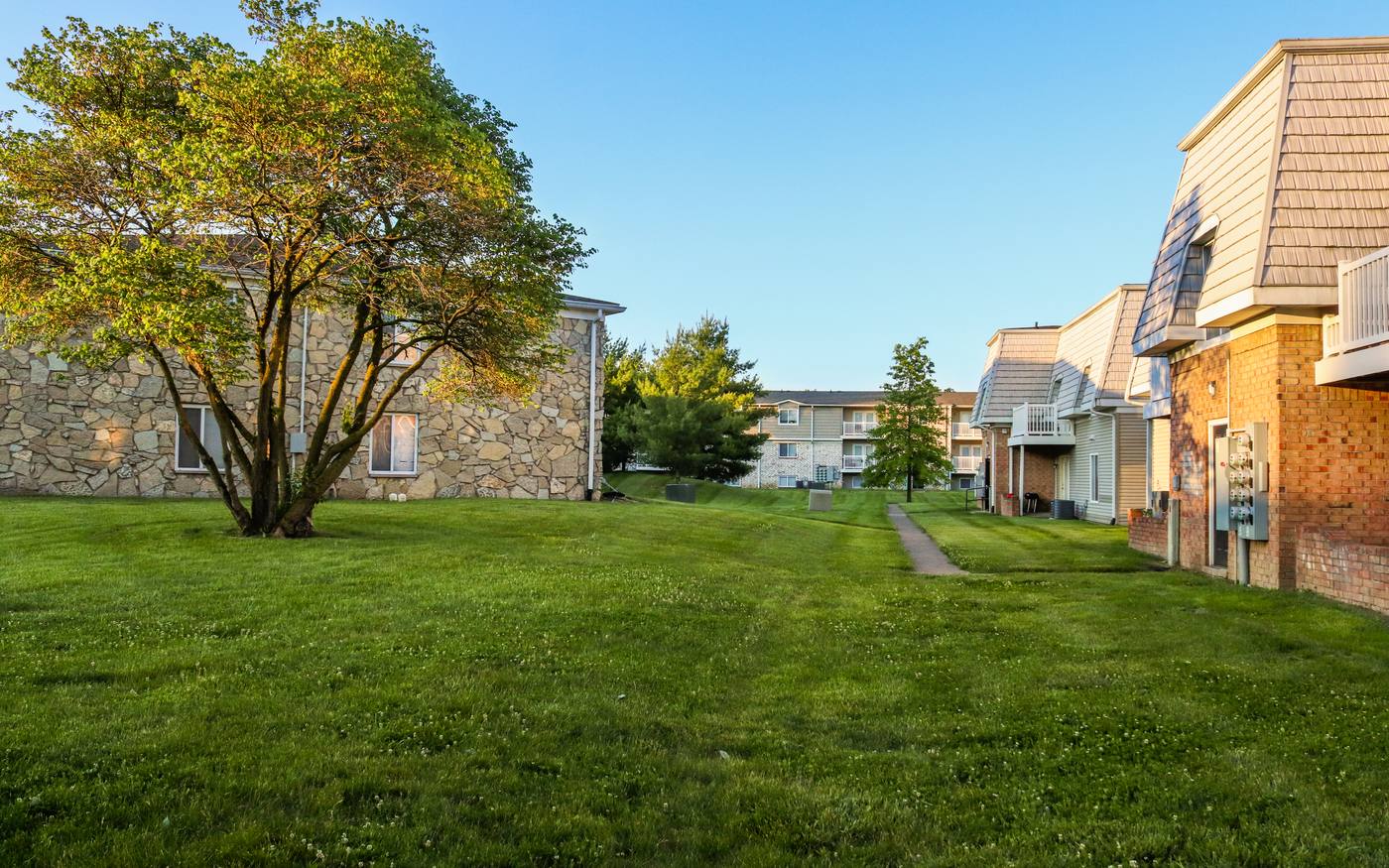
The client is a family company in central Alberta that has owned and operated a small portfolio of apartment buildings for many years. It needed to buy back a block of its own shares and repay the shareholder loans that came with them. The completion date was fixed, and moving it would have had tax consequences for the people on the other side of the transaction.
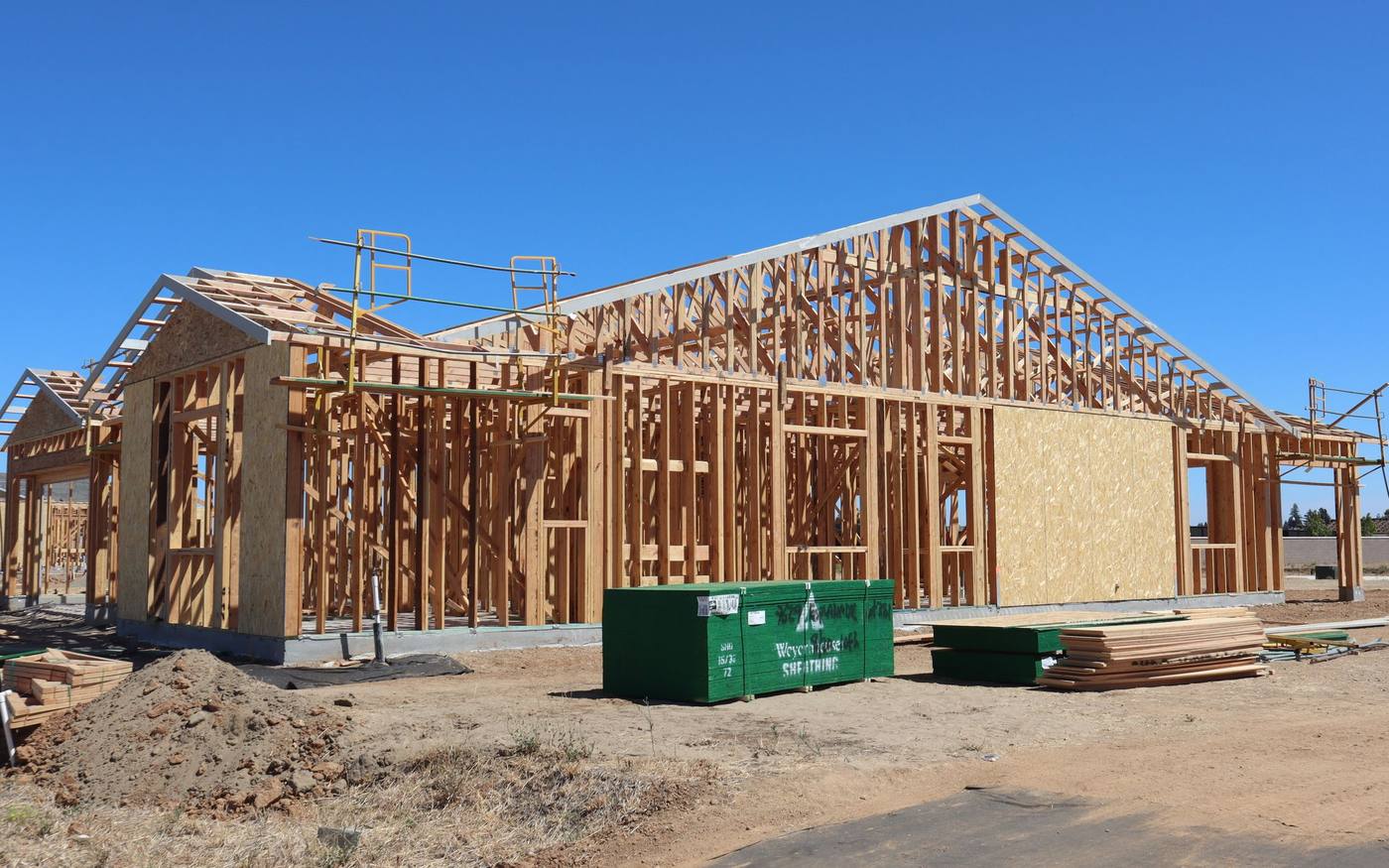
Their properties were the obvious choice to find the money. The company owned them outright with almost no debt registered against them. The difficulty was the state they were in. Several units were empty and the company was partway through renovating others, which is exactly the work that makes a building worth more later. Lenders underwrite apartment buildings on the income they produce now, not the income they will produce once the renovations are finished, so on paper the portfolio looked weaker than it actually was.
CMHC-insured financing is where a portfolio like this one belongs in the long run, and it is materially cheaper than anything else available to it. CMHC wants to see stabilized occupancy first, and the occupancy was not there yet. So the question was never which lender offered the best long-term rate. It was how to have the funds in place on the completion date without closing off the right long-term financing later.
We prepared the financing request around that sequence, and took it to banks and to the non-bank lenders active in bridge lending ahead of CMHC.
Additional leverage: a non-bank lender advanced $3,025,000 as a single first mortgage across the portfolio, interest only, on a twelve-month term at prime plus 3.25% with an 8.70% floor. That is bridge pricing, and it reflects what a lender charges to advance against buildings that are in a rural market, partly empty and mid-renovation. It also released a little over three million dollars from real estate that had been carrying almost no debt, which is what made the buyout possible at all.
Just as important is how the loan ends. It is closed to repayment for the first three months and open after that, in whole, on thirty days' notice and with no prepayment fee. The company can move into CMHC-insured debt as soon as occupancy supports it, and it will not pay a penalty for leaving early. Expensive money is only a problem if you cannot get out of it on your own timetable.
If you are facing a fixed completion date on a shareholder or estate transaction and your real estate is being repositioned and not yet in a state a bank will lend against, the order you do things matters more than the headline rate. Start with a 15-minute commercial debt review and we will benchmark your pricing, covenants, guarantees, collateral and available leverage against what we are seeing in the market right now.